Cannabis shopping today looks a lot different than it did a decade ago. Instead of just asking “how much,” you’re now asking “how?” Do you roll it up, heat it in a vape, or reach for an edible? Each method changes the timing, intensity, and feel of your experience. There’s no single “best” way that works for everyone.
At Kaleafa, we believe there’s a right fit for every kind of cannabis consumer.
Here’s what actually sets these three methods apart, so you can choose what works for you.
Key Takeaways:
- Smoking delivers effects almost immediately, typically within a few minutes.
- Vaping offers a similarly fast onset to smoking, often without combustion byproducts.
- Edibles take longer to kick in, often 30 to 90 minutes or more, and their effects tend to last significantly longer.
- Bioavailability, meaning how much THC actually enters your bloodstream, varies by method.
- There’s no universally “best” method. The right choice depends on how you want to feel.
Smoking: Fast Onset, Real-Time Control
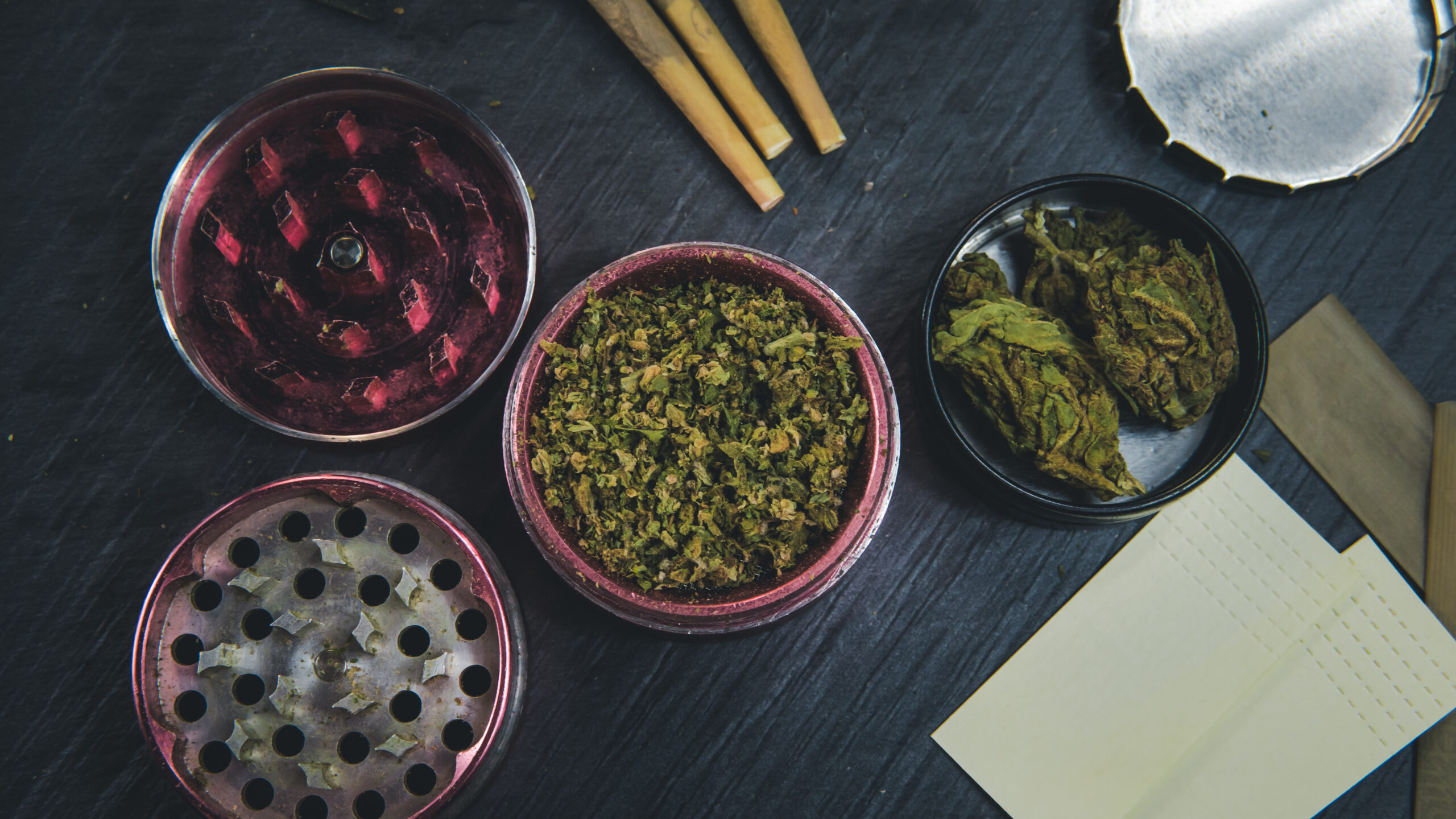
When you smoke cannabis through a joint, pipe, or bong, THC and other cannabinoids travel from your lungs directly into your bloodstream. Smoking acts fast. Most people feel it within two to five minutes, with a peak around 10 to 30 minutes later.
Because absorption is so fast, smoking gives you real-time control over your experience. You can take one hit, wait a few minutes, and decide if you want more. This makes it easier to gauge your dose in the moment than with other methods.
Smoking is a good option for consumers who are still learning their tolerance. Try a puff, give it a few minutes, and note how you feel.
Vaping: Similar Speed, Different Considerations
Vaping cannabis works as quickly as smoking, with effects typically felt within two to five minutes. The key difference is combustion. Vaporizers heat cannabis material or oil to a temperature that releases THC and terpenes without burning the plant material. Some consumers prefer vaping for a smoother inhale.
In terms of bioavailability, meaning how much of the THC you consume actually reaches your bloodstream, both smoking and vaping tend to outperform edibles, generally landing somewhere in the 10% to 35% range.
Many vapes fit neatly into a pocket or purse, making vaping a good option for consumers on the go.
Edibles: Slower Start, Longer Stay
Edibles work differently than smoking or vaping. THC from an edible travels through your digestive system and liver before entering your bloodstream. This process delays and reduces how much THC ultimately reaches circulation.
This is why edibles take so much longer to kick in, often 30 to 90 minutes or more. Your metabolism, what you’ve eaten that day, and the product all play a role. Patience matters with edibles. Taking a second dose before the first has fully kicked in is one of the most common ways people end up more intoxicated than they intended.
The tradeoff for that delayed onset is a longer-lasting experience. While smoking and vaping effects often taper off within one to three hours, edibles can last four to eight hours or more. Effects typically peak two to four hours after consumption.
Edibles also tend to have lower bioavailability, generally in the 4% to 20% range. This doesn’t make them “weaker,” just differently dosed. The relationship between milligrams and how you’ll feel isn’t a straight line.
Edibles are an excellent smoke-free, discreet way to consume cannabis.
So, Which Method Is Actually Best?
There’s no single winner, because the best method depends on what you’re looking for.
- Want fast onset and real-time control? Smoking or vaping may suit you well, since you can adjust your dose hit by hit, which is useful if you’re still learning your tolerance.
- Want to avoid inhalation altogether? Edibles offer a smoke-free alternative, though the delayed onset means planning ahead matters more.
- Want a longer-lasting effect for a full evening or as a sleep aid? Edibles’ extended duration might be exactly what you’re after.
- New to cannabis? Start low and go slow no matter which method you choose. This is especially important with edibles since it’s easy to underestimate the onset time.
Whichever method you’re leaning toward, our knowledgeable Kaleafa budtenders are happy to walk you through options, potency, and what to expect.
Browse a menu at one of our locations to explore flower, vapes, edibles, and concentrates, or check out our cannabis education page for more guides like this one.
FAQs About Smoking vs. Vaping vs. Edibles
- Is vaping healthier than smoking cannabis?
Vaping avoids the combustion byproducts associated with smoking, but neither method is risk-free; talk to a healthcare provider if you have respiratory concerns. - Why do edibles take so long to kick in? Edibles pass through your digestive system and liver before THC reaches your bloodstream, a much slower process than inhalation. Give it at least two hours before deciding whether you need more.
- Can I combine methods, like smoking and edibles?
Some consumers do, but it can make your overall experience harder to predict, especially since edibles take longer to kick in. If you’re newer to cannabis, it’s easier to stick with one method at a time until you understand how each affects you. - Which method is best for beginners?
There’s no universal answer, but many new consumers appreciate the real-time control of smoking or vaping, since you can pause between hits and gauge your response. If you’d rather avoid inhalation, look for a low-dose edible and wait two hours before deciding if you need more.
Find Your Fit at Kaleafa
Ready to find your ideal method? Stop by any Kaleafa location in Oregon or Washington, where our friendly, knowledgeable team can help match you with the right flower, vape, edible, or concentrate for exactly the experience you’re after.
Whether you’re a first-timer or a longtime cannabis fan, Kaleafa welcomes you exactly as you are.
DISCLAIMER: The contents of this blog are intended for informational purposes only. Always seek the advice of a physician or other qualified healthcare provider with any questions you may have regarding a medical condition.